19 October 2026
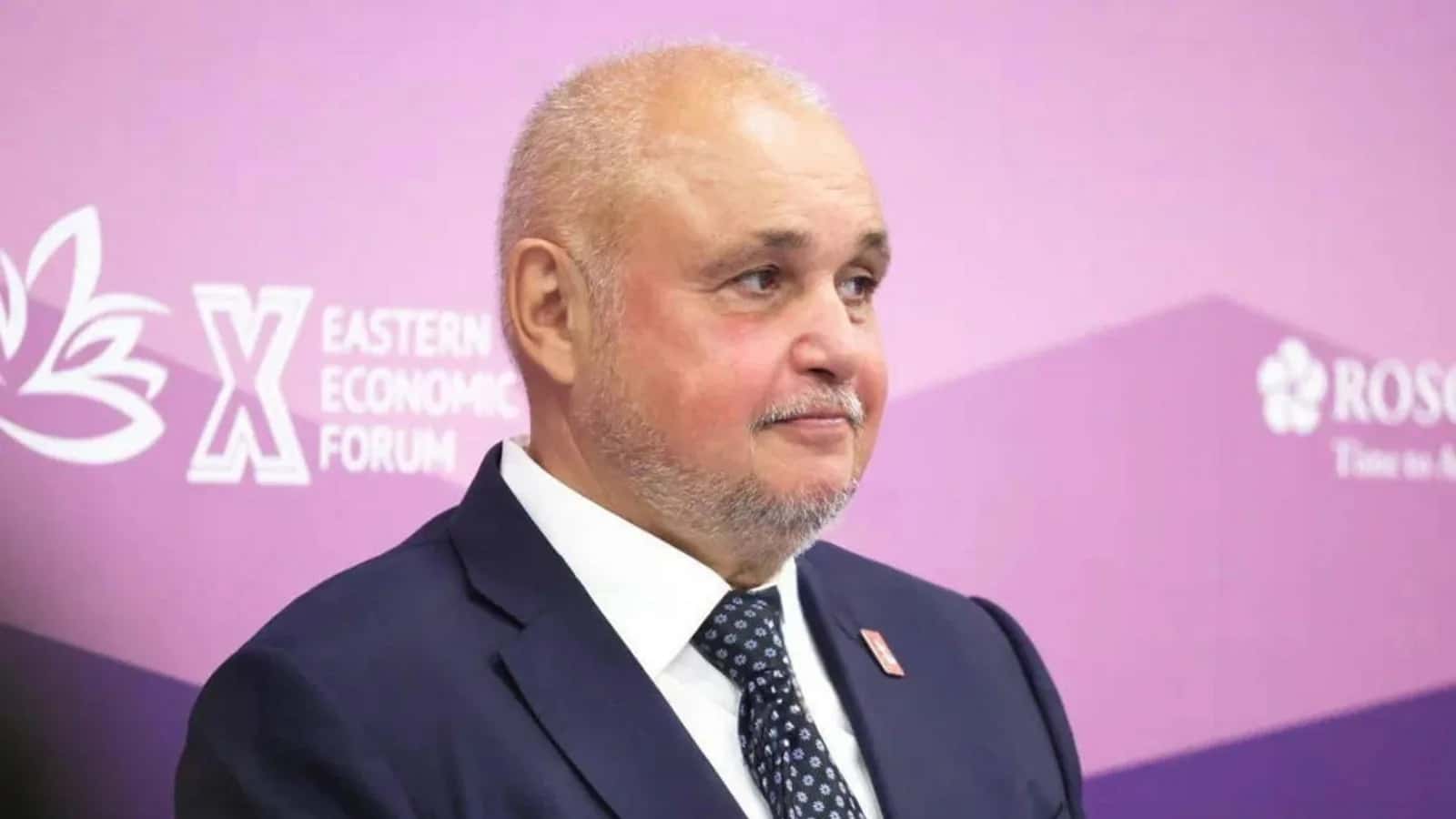
Speaking at the session "Electric Power for the Development of the Far East" at the Eastern Economic Forum, Sergei Tsivilev outlined the challenges facing Russia's energy sector. He noted that the Ministry of Energy of the Russian Federation is currently drafting the necessary legal and regulatory framework. In particular, two new institutions are to be set up: a design institution and a financial one.
"We need low-cost funding, so we cannot manage without a dedicated financial institution for the industry. It has to be a designated state bank with government participation," Sergei Tsivilev said. According to the head of Russia's energy ministry, the new financial institution is to provide concessional lending through interest rate subsidies, the issue of infrastructure bonds, project finance lending and treasury infrastructure loans.
The design institution, in turn, will be responsible for drawing up and approving requirements for standard design solutions and modular construction; setting requirements for equipment standards; monitoring pricing; forming the industry-wide procurement order; and maintaining registers of authorised construction trusts.
"These two institutions will make pricing transparent at every stage. Any technological or managerial decision will be assessed in terms of its impact on the final cost of electricity across the entire life cycle of a facility," Sergei Tsivilev stressed.
He also added that the draft law is intended to set out the principles for forming the industry-wide procurement order, the option of establishing requirements for experimental regimes in the electric power industry through acts of the Government of the Russian Federation, and a mechanism for simplifying urban planning procedures and the registration of land and property relations.
"This will take us from a 'demand economy', in which we responded to emerging shortages of electricity and capacity, to a 'supply economy', where the power system covers electricity demand proactively," the head of the Russian Ministry of Energy concluded.
Source: the Russian Ministry of Energy
We use cookies and Yandex Metrica for visitor statistics. By staying on the site, you agree to this and to our privacy policy.
Follow the forum news on our official MAX channel
Subscribe