
19 October 2026
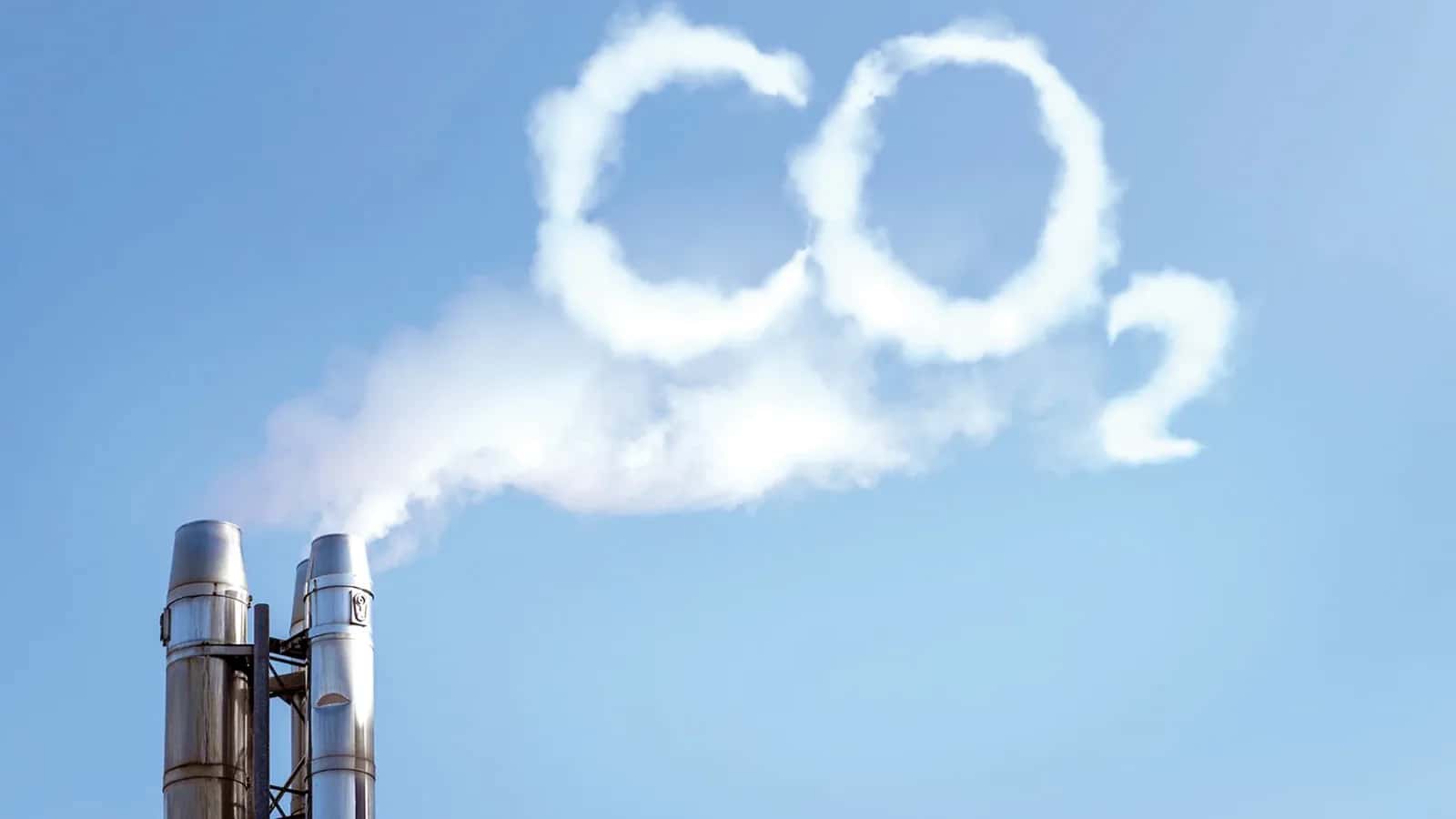
Russia has submitted its updated targets as part of implementing its international climate change commitments under the Paris Agreement. The document has been published on the official portal of the Secretariat of the United Nations Framework Convention on Climate Change (UNFCCC).
Russia's NDC target provides for reducing greenhouse gas emissions to 65-67% of the 1990 level by 2035, taking into account the maximum possible absorptive capacity of forests and other natural ecological systems and subject to sustainable and balanced socio-economic development of the Russian Federation and its non-discriminatory access to the equipment and technologies required to reduce (prevent) greenhouse gas emissions and/or increase their absorption. The NDC target is based on the Presidential Decree signed in early August.
Every 5 years, the parties to the Paris Agreement are required to submit national plans for reducing greenhouse gas emissions and adapting to climate change, known as nationally determined contributions, or NDCs for short. An NDC must set emission reduction targets. The NDC updating process follows the “principle of increasing ambition”, meaning that each successive target must be more ambitious than the previous one.
“The current emission reduction target is set for the economy as a whole. It takes into account the risks and uncertainties involved in the transition of the Russian economy to low-carbon transformation. First, there is the geographical factor. The Russian Federation has the largest territory in the world, spanning different climate zones, which makes it necessary to diversify regional and sectoral plans for implementing climate policy. Second, it should not be forgotten that the Russian Federation is currently facing barriers and external economic restrictions, including on access to foreign equipment, technologies, services, capital markets and carbon unit markets. The target has been set with these conditions in mind,” said Maxim Kolesnikov, First Deputy Minister of Economic Development, commenting on the publication.
Russia's second NDC is more ambitious than the first NDC, submitted in 2020, which provided for reducing greenhouse gas emissions to 70% of the 1990 level by 2030. The updated document sets out national efforts to reduce greenhouse gas emissions, adapt to climate change and cooperate internationally on climate change, including voluntary support for developing countries. In particular, it presents the practices of Russian companies and organisations in the field of combating climate change.
“The new NDC was prepared using data obtained during the first stage of the ‘Russian Climate Monitoring System’ project. The project involves large-scale work in several scientific areas that are critically important for management decisions on low-carbon development policy and adaptation to climate change, such as monitoring greenhouse gas emissions and their absorption by marine and terrestrial ecosystems, climate change modelling and forecasting, modelling of decarbonisation pathways, and assessing greenhouse gas emissions and their absorption for the economy and individual industries,” Maxim Kolesnikov stressed.
The implementation of the Russian Federation's first and second NDCs contributes to achieving the goals of the Paris Agreement and takes into account the need to ensure the economic development of the Russian Federation on a sustainable basis.
Source: Russian Ministry of Economic Development
We use cookies and Yandex Metrica for visitor statistics. By staying on the site, you agree to this and to our privacy policy.
Follow the forum news on our official MAX channel
Subscribe